
Geopolitical Flashpoints: Risks That Could Cripple Nations and Economies
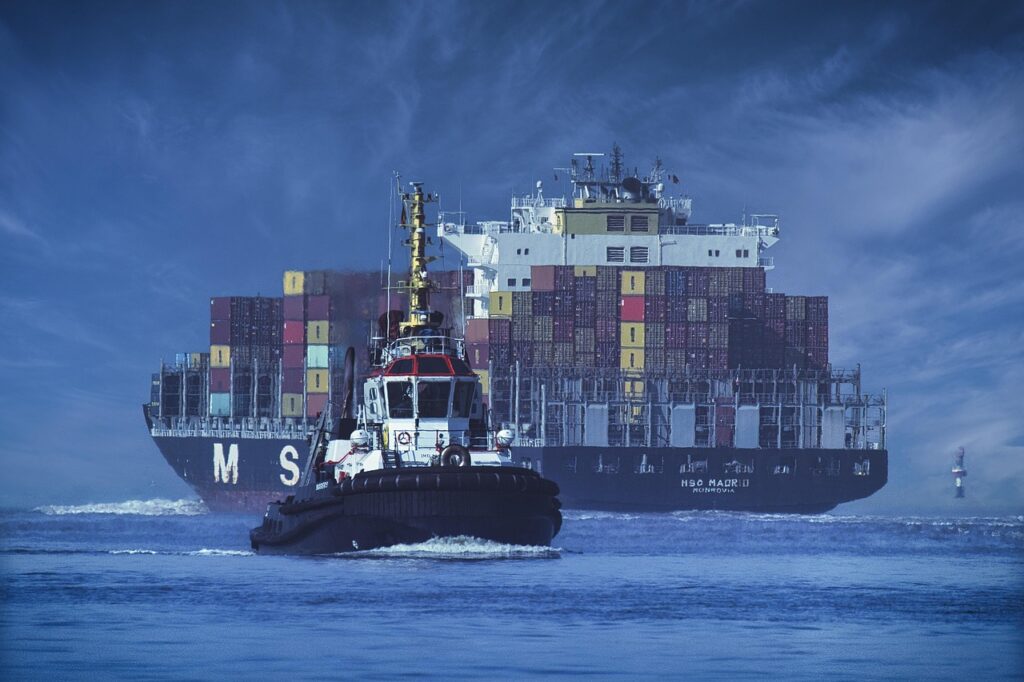
Geopolitical flashpoints are escalating globally, with significant implications for national and global economies. According to the Stockholm International Peace Research Institute (SIPRI), global military expenditure reached $3.2 trillion in 2024, the highest in recorded history. (SIPRI, 2024)
Key flashpoints include:
- Taiwan Strait tensions, where conflict could disrupt over $1.5 trillion in annual trade flows through the South China Sea.
- Eastern Europe, with the ongoing conflict in Ukraine and associated energy supply disruptions impacting over 20 EU countries.
- Middle East hotspots, where strategic chokepoints like the Strait of Hormuz carry ~20% of global oil shipments.
These tensions can trigger sudden capital flight, energy shocks, and currency instability. IMF analysis indicates that even a moderate escalation in these regions could reduce global GDP by 1–2% within a year, roughly $1.1–$2.2 trillion in lost output. (IMF, 2025)
Why Flashpoints Matter
Nations and businesses are increasingly vulnerable because traditional risk assessments fail to account for rapid geopolitical escalation. Financial models, supply chain plans, and corporate strategies often assume stability, leaving them exposed to sudden crises. Historical examples include the 1973 oil embargo, which caused inflation to spike to 11% in the US, illustrating how geopolitical events can instantly reshape markets.
Understanding and preparing for geopolitical flashpoints is now essential for national and corporate resilience. Our team helps clients anticipate emerging risks, stress-test scenarios, and implement strategies to protect assets and operations before crises unfold.